In the modern digital landscape, Customer Relationship Management (CRM) systems have become essential for companies aiming to optimize customer interactions, improve sales performance, and enhance data-driven decision-making. From tech giants to retail leaders, many organizations have successfully integrated CRM platforms like Salesforce, HubSpot, and Microsoft Dynamics into their operations.
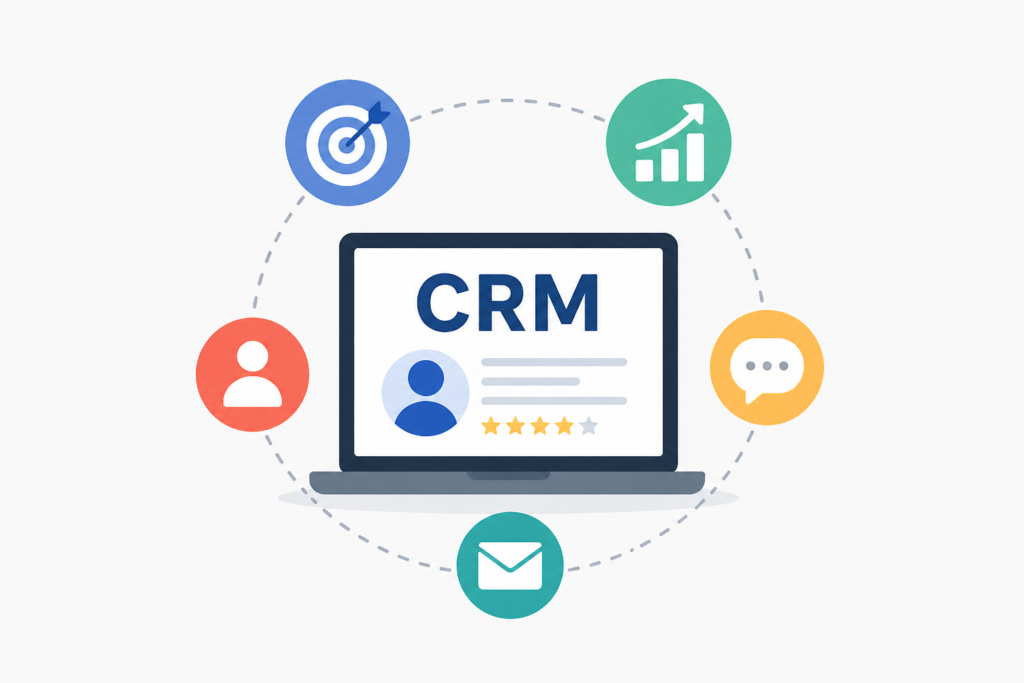
This article explores the top 20 companies that make the most effective use of CRM systems and how they leverage these tools to gain a competitive advantage.
Why CRM Systems Matter for Businesses
Driving Customer-Centric Strategies
CRM systems allow organizations to centralize customer data, track user behavior, and personalize marketing campaigns. Companies that effectively use CRM tools can deliver better customer experiences, which directly impacts brand loyalty and revenue growth.
Key Benefits of CRM Adoption
- Improved sales forecasting
- Enhanced customer segmentation
- Automated marketing workflows
- Better customer support and retention
Top 20 Companies Using CRM Successfully
Technology Leaders
1. Amazon
Uses advanced CRM systems to personalize recommendations and manage massive customer data at scale.
2. Apple
Integrates CRM with its ecosystem to provide seamless customer experiences across devices and services.
3. Microsoft
Leverages its own CRM platform, Microsoft Dynamics, to manage enterprise relationships and internal operations.
4. Google
Uses CRM-like systems to enhance advertising targeting and customer insights.
5. IBM
Focuses on CRM integration with AI and data analytics for enterprise clients.
Retail and E-commerce Giants
6. Walmart
Uses CRM for supply chain optimization and personalized marketing.
7. Alibaba
Relies heavily on CRM systems to manage millions of buyers and sellers globally.
8. eBay
Uses CRM to enhance user engagement and seller-buyer interactions.
9. Nike
Combines CRM with digital apps to create personalized customer journeys.
10. Zara
Uses CRM data to quickly adapt to customer trends and preferences.
Financial and Service Companies
11. JPMorgan Chase
Uses CRM to manage client portfolios and improve banking experiences.
12. American Express
Leverages CRM for customer loyalty programs and personalized offers.
13. PayPal
Uses CRM to enhance customer trust and streamline transactions.
14. Visa
Applies CRM systems for fraud detection and customer insights.
Telecommunications and Media
15. AT&T
Uses CRM to manage customer service operations and subscriptions.
16. Verizon
Leverages CRM for customer retention and service personalization.
17. Netflix
Uses CRM-like data systems to recommend content and improve user engagement.
18. Spotify
Relies on CRM data for personalized playlists and marketing campaigns.
Travel and Hospitality
19. Airbnb
Uses CRM to connect hosts and guests while improving user experiences.
20. Marriott International
Leverages CRM for loyalty programs and personalized guest services.
How These Companies Maximize CRM Value
1. Data Integration
Top companies integrate CRM with other systems like ERP, marketing platforms, and AI tools to create a unified view of the customer.
2. Personalization at Scale
Using CRM data, these organizations deliver highly personalized experiences, from product recommendations to targeted advertising.
3. Automation and Efficiency
Automation reduces manual work and improves productivity in areas such as sales, customer service, and marketing.
4. Predictive Analytics
Many companies use CRM systems with AI and machine learning to predict customer behavior and improve decision-making.
Future Trends in CRM Usage
As technology evolves, CRM systems are becoming more advanced with features like:
- Artificial Intelligence (AI) integration
- Real-time data processing
- Omnichannel customer engagement
- Voice and chatbot automation
Companies that adopt these innovations will continue to lead in customer experience and market competitiveness.
Conclusion
The top companies listed above demonstrate how powerful CRM systems can be when used effectively. From Amazon to Marriott International, these organizations rely on CRM to drive growth, enhance customer satisfaction, and maintain a strong competitive edge.
Investing in CRM is no longer optional—it is a strategic necessity for any company that wants to thrive in today’s data-driven world.